Tuesday, March 29, 2011

First Greek saying mentioning donkeys

The human characters and behaviours encoded in the form of animals as a topic has been studied quite extensively and even more so because the relevant patterns considerably vary from one culture to an other. For instance, the donkey signifies in Greek folk culture mainly stubbornness, poor manners and patience. In the Arabic culture I am familiar with, it suggests a closed mind and, even, idiocy.
ο Έλλην γάιδαρος
Greek saying:
"Εκεί που μας χρωστούσαν, μας πήραν και το γάιδαρο" "While they were in debt to us, eventually they confiscated even our donkey"
The saying is used to describe the unfair turn in a negotiation. The people who were righteously expecting some compensation, lose in the end everything, due to an unjustifiable implementation of agreements. I won't mention here how this brilliantly describes the attitudes of politicians in Greece, and I will rather combine it with the recent suppressive violence that fell upon the heads of peaceful demonstrators in Jordan.
The events which led to the attack against the youth movement "24 March" who asked for several reforms and civil rights are more or less known, since it ended up with one dead and dozens of wounded civilians. Moreover it happened in a period that the international and Arabic mass media are hungry for heroic and impressive images of the region. Supposedly a group or, rather, a mass of supporters of the regime attacked the annoying demonstrators and showed them who has gotten the upper hand. Meanwhile, the police interfered making things just more violent.
Many commentators started advertising the idea that the protest movements in the Middle East and Northern Africa are some sort of fashion. And that they spread like the habits in dressing or the pop songs. In reality, if one looks closer, the suggestion does not seem valid, because each movement or collective voice has very different origins, it describes local realities and is confronted with different dynamics of the status quo ante. It is true that the outbreak of a massive protest in one country encourages the active expression in the neighbouring one but the influence is not ideological, it is simply methodological, operational.
Getting back to the Greek saying let me note that the quest for civil rights is a legitimate one and always the administration should feel that it is in debt to the citizens. The concept of the social contract between the civilians and the governors is the only reasonable one for the healthy maintenance or transformation of a living society. And in a way, the administration is always in debt to the civil entity. Many concessions has it demanded, from regulatory decisions, to penalization and taxation. It produces in reality nothing but a framework for the society to produce, create and enrich. Therefore, the citizens have always the right to see their aspirations growing, their daily life details improving, their small or grand debate for practical or intellectual, moral or aesthetic issues supported. They are entitled to demand better education for the younger and second chances for the elder, stronger legal protection, opportunities in professional life and in leisure. They can further their need for representation and participation in the decision-making process especially because all the public buildings, the flags, the donation, the loans, the support programs, the anthems, the military and peace adventures stand and happen in their names. I am confident that the leadership of this beautiful country comprehends that and starts considering this seriously.
So, the people have constantly some revenues to claim back. There shouldn't be anyone who demands their donkey. All in all, the donkey should not be confiscated.

Labels: , , , , ,

Saturday, May 15, 2010

Catastrophe, Καταστροφή, النكبة

62 years today, the soul under a temporary roof
...Since I left the naïvetés of childhood behind me I no longer wish to retrieve the dead so that they come back as I have known them in my past or theirs. I do not want to recapture Deir Ghassanah as it was or my childhood in it as it was. I know the meaning of time passing. But this is no metaphysical matter. I know what it means for cities and villages to be under occupation.
In the last few days Ramallah told me a great deal about what the Occupation had done to it. And now the village tells me the same story. Even at the moment of the return after a long absence, the moment that tempts the most hard-headed to lose themselves in romantic mists, I found no tear to shed over the past of Deir Ghassanah and no yearning to recreate the village as it was in my childhood. But questions about the crime of occupation made me think about the extent of the 'handicapping' practiced by the Israelis.
I have always believed that it is in the interests of an occupation, any occupation, that the homeland should be transformed in the memory of its people into a bouquet of 'symbols'. Merely symbols. They will not allow us to develop our village so that it shares features with the city, or to move with our city into a contemporary space. Let us be frank: when we lived in the village did we not long for the city? Did we not long to leave small, limited, simple Deir Ghassanah for Ramallah, Jerusalem, and Nablus? Did we not wish that those cities would become Cairo, Damascus, Baghdad and Beirut? The longing always for the new age.
The Occupation forced us to remain with the old. That is its crime. It did not deprive us of the clay ovens of yesterday, but of the mystery of what we would invent tomorrow...
Mourid Barghouti, I saw Ramallah (transl. Ahdaf Soueif), 2000

...Αφότου άφησα πίσω μου τις αφέλειες τις παιδικής ηλικίας, δεν πασχίζω πια να ανασύρω τους νεκρούς, ώστε να επιστρέψουν όπως τους ήξερα στο παρελθόν μου ή στο δικό τους παρελθόν. Δε θέλω να ξανάβρω το Ντέιρ Γασάνα όπως ήταν ή να βρω τα παιδικά μου χρόνια εκεί, όπως υπήρξαν. Ξέρω τι σημαίνει το πέρασμα του χρόνου. Μα δεν το εννοώ ως μεταφυσικό ζήτημα. Ξέρω τι σημαίνει για τις πόλεις και τα χωριά να βρεθούν υπό κατοχή.
Τις τελευταίες μέρες, η Ραμάλα με δίδαξε πολλά για το τι της επέφερε η Κατοχή. Και τώρα το χωριό μού ξαναδιηγείται την ίδια ιστορία. Ακόμη και τη στιγμή της επιστροφής μετά από απουσία μακρά, εκείνη δηλαδή τη στιγμή που κι ο πιο ξεροκέφαλος λυγίζει και χάνεται στη θολούρα του αισθηματισμού, δεν μπόρεσα να χύσω ούτε ένα δάκρυ για το παρελθόν του Ντέιρ Γασάνα ούτε κατάφερα να βρω την επιθυμία να ανασυνθέσω το χωριό όπως ήταν σαν ήμουν παιδί. Όμως ζητήματα σχετικά με το έγκλημα της κατοχής μ' έκαναν να συλλογιστώ το βαθμό "αναπηρίας" που επιφέρουν οι πρακτικές των Ισραηλινών.
Πάντα πίστευα ότι είναι προς το συμφέρον ενός κατοχικού καθεστώτος, όποιου κατοχικού καθεστώτος, να μετατρέψει την πατρίδα στη μνήμη του λαού της σε ένα συνονθύλευμα συμβόλων. Σκέτων συμβόλων. Δε θα μας επιτρέψουν να αναπτύξουμε το χωριό έτσι που να μοιράζεται χαρακτηριστικά απ΄τη ζωή της πόλης, ή να προχωρήσει μαζί με την πόλη στη συγχρονία. Ας το πούμε ξεκάθαρα: όταν ζούσαμε στο χωριό, δε λαχταρούσαμε την πόλη; Δε θέλαμε να αφήσουμε πίσω μας το μικρό, περιοριστικό, απλοϊκό Ντέιρ Γασάνα για να βρεθούμε στη Ραμάλα, την Ιερουσαλήμ, τη Νάμπλους; Δε λαχταρούσαμε να γίνουν αυτές οι πολιτείες σαν το Κάιρο, τη Δαμασκό, τη Βαγδάτη και τη Βηρυτό; Είναι ο πόθος για τη νέα εποχή.
Η Κατοχή μάς εξανάγκασε ν' απομείνουμε με το παλιό. Αυτό είναι το έγκλημά της. Δε μας στέρησε το χτιστό φούρνο του χτες. Μας στέρησε το μυστήριο για το τι θα μπορούσαμε να εφεύρουμε στο μέλλον...

Μουρίντ Μπαργούτι, Είδα τη Ραμάλα, 2000 (μτφρ. Βασίλης Οικονομίδης)

Labels: , , , , , ,

Sunday, March 01, 2009

Επικαιρότητες...

Από καθαρή σύμπτωση διαβάζω αυτές τις μέρες πάλι, και πιο προσεκτικά, το "Κατά Σαδδουκαίων" του Μιχάλη Κατσαρού (ας είναι καλά κάτι επιπλέον εκπτώσεις στα βιβλιοπωλεία, στους πάγκους με τα ευπώλητα): εκείνο που βρίσκει τον κολοφώνα του στο "Η διαθήκη μου"
Αντισταθείτε
σ' αυτόν που χτίζει ένα μικρό σπιτάκι
και λέει: καλά είμαι εδώ.
Αντισταθείτε σ' αυτόν που γύρισε πάλι στο σπίτι
και λέει: Δόξα σοι ο Θεός.
............................
Αντισταθείτε
σ' αυτόν που χαιρετάει απ' την εξέδρα ώρες
ατέλειωτες τις παρελάσεις
σ' αυτή την άγονη κυρία που μοιράζει
έντυπα αγίων λίβανον και σμύρναν
σε μένα ακόμα που σας ιστορώ.
Αντισταθείτε πάλι σ' όλους αυτούς που λέγονται
μεγάλοι
στον πρόεδρο του Εφετείου αντισταθείτε
στις μουσικές τα τούμπανα και τις παράτες
σ' όλα τ' ανώτερα συνέδρια που φλυαρούνε
πίνουν καφέδες σύνεδροι συμβουλατόροι
σ' όλους που γράφουν λόγους για την εποχή
δίπλα στη χειμωνιάτικη θερμάστρα
στις κολακείες τις ευχές τις τόσες υποκλίσεις
από γραφιάδες και δειλούς για το σοφό
αρχηγό τους.
Αντισταθείτε στις υπηρεσίες των αλλοδαπών
και διαβατηρίων
στις φοβερές σημαίες των κρατών και στη
διπλωματία
στα εργοστάσια πολεμικών υλών
.....
Τότε μπορεί βέβαιοι να περάσουμε προς την
Ελευθερία.

Κείμενο θυμίζω του 1953. Θα ήταν σχεδόν νοσταλγική μπαναλιτέ να τα διαβάζει αυτά ο άνθρωπος του εικοστού πρώτου αιώνα, έτσι δεν είναι; Ευτυχώς η ιδιότητα του φιλολόγου, το μερτικό του από τη δημόσια αδιαφορία, επιτρέπει τέτοιες μπαναλιτέ. Και τι χυδαιότερο άλλωστε από τις τρέχουσες δημόσιες αναπαραστάσεις του δημόσιου βίου μας; Κανείς δεν μπορεί να τις υπερκεράσει. Έπειτα μια λοξή ματιά στον ημερήσιο Τύπο, στη συνέντευξη του Γράκχου των χορτολειβαδίων της Κρήτης (όπως ο ίδιος παρουσίασε μελοδραματικά εαυτόν, όταν έδωσε εντολή να ξυλοφορτώσουν τους Κρήτες αγρότες). Είπε το λοιπόν σήμερα ο υπουργός Μαρκογιαννάκης στο Πρώτο Θέμα:
«Από την ώρα που κινδυνεύουν πολλά αγαθά, διότι σήμερα υπάρχει κίνδυνος για πολύ μεγάλα αγαθά της κοινωνίας και των ανθρώπων, ενδεχομένως να χρειαστεί να στερηθούμε κάποια πράγματα, προκειμένου να αντιμετωπίσουμε ακόμη μεγαλύτερα προβλήματα.»
Και υπόσχεται στους νοικοκυραίους ότι θα αγοραστούν πολύ σύντομα οχήματα ρίψης νερού για τις διαδηλώσεις. Πρώτα χημικά αέρια κι έπειτα ξέπλυμα, να φύγουν τα "μιάσματα".
Νά'τοι που κάναν τόσο επίκαιρο το Μιχάλη Κατσαρό πάλι.
Και από σπόντα, ευνοείται και η κλασικότητα του Καβάφη που επίσης περιέγραψε οραματικά τον αναμορφωτή στο "Εν μεγάλη Ελληνική αποικία" , τούτο του 1928.

Labels: , , , , ,

Thursday, January 15, 2009

"Will I change the world?"

Haunting image from Akram Habeeb's blog wishing him health
A typical reaction to many suggestions which aim at a personal commitment to a broader strategy: "So what? Will I make a difference? Will I change the world?"
These days, I am discussing with young people, frequently of Palestinian descent... They are depressed and upset, while at the same time they put the blame for the crimes committed in Gaza on the world policy and the international community. And they are not wrong. But, by no means, this cancels the duty to engage themselves dynamically in mild means of protest (rallies, petitions, networking and polls) or more effective ones (such as boycotting products and commodities of Israeli origins). They gladly talk about the U.N. failures but they would not skip their Starbucks or KFC routines. And here I am, discovering very convincing arguments in the articles of Naomi Klein, a Canadian journalist, activist and thinker, of Jewish origins, who underlines the importance of this strategy in order to fight back Israeli aggression. She considers that for a small state which heavily relies on trade, boycotting is a very successful weapon of pressure. Most importantly, she brightly compares the situation in Gaza (before the attacks) with that of South Africa during the period of apartheid: The color-coded IDs and travel permits, the bulldozed homes and forced displacement, the settler-only roads...Only that, according to Ronnie Kasrils, a prominent South African politician, the architecture of segregation that he saw in the West Bank and Gaza was much worse than anything imposed on the black majority of South Africa. This open-air prison condition in Gaza has only been a much better excuse for sanctions and conscience alert. To the question "Will I change the world?" I am afraid I can give no answer, but to the question "Shall I compromise in my twenties with an apparently cruel pragmatism?" to this I have already answered.
No,
No,
No,
No,
NO!
Είναι κι αυτό ένα "ΟΧΙ".
Αφορμή για τις σημειώσεις αυτές ήταν η αναδημοσίευση στα ελληνικά μικρού αποσπάσματος του άρθρου της Ναόμι Κλάιν (Τα Νέα, 15 Ιανουαρίου 2009, στήλη ΑΙΧΜΕΣ).

Labels: , , ,

Sunday, January 11, 2009

An interesting article, "What You Don’t Know About Gaza"

For the Arab reader or, even, for someone informed about the issues and the history of the region, prof. Rashid Khalidi's article at The New York Times, (Jan. 07, 2009) does not add much, I have to admit. But, by putting down some basics, in lines and paragraphs, it shows the total war with windmills that the Arab intellectuals, organic intellectuals (to mention Gramsci here) and everyone in reality, have to go through in this land of negotiating about the facts, the meaning and the impression. Today, I was watching how the BBC presented the demonstration of some Israelis and Jews in London, protesting for the "condition of fear to which the Israelis are subjected, due to the terrorists in Gaza". I remind that the "fearful" lost up to now 13 people, most of whom, invading soldiers, while the "terrorist" (legitimate) population of Gaza lost 850 (most of whom civilians, women and children). Some have the right to be in a condition of fear, while others have to experience fear in its maximum, combined with loss, deprivation and despair. The article goes as follows:

NEARLY everything you’ve been led to believe about Gaza is wrong. Below are a few essential points that seem to be missing from the conversation, much of which has taken place in the press, about Israel’s attack on the Gaza Strip.

Ronald J. Cala II

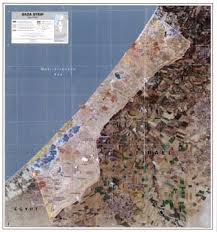
THE GAZANS Most of the people living in Gaza are not there by choice. The majority of the 1.5 million people crammed into the roughly 140 square miles of the Gaza Strip belong to families that came from towns and villages outside Gaza like Ashkelon and Beersheba. They were driven to Gaza by the Israeli Army in 1948.

THE OCCUPATION The Gazans have lived under Israeli occupation since the Six-Day War in 1967. Israel is still widely considered to be an occupying power, even though it removed its troops and settlers from the strip in 2005. Israel still controls access to the area, imports and exports, and the movement of people in and out. Israel has control over Gaza’s air space and sea coast, and its forces enter the area at will. As the occupying power, Israel has the responsibility under the Fourth Geneva Convention to see to the welfare of the civilian population of the Gaza Strip.

THE BLOCKADE Israel’s blockade of the strip, with the support of the United States and the European Union, has grown increasingly stringent since Hamas won the Palestinian Legislative Council elections in January 2006. Fuel, electricity, imports, exports and the movement of people in and out of the Strip have been slowly choked off, leading to life-threatening problems of sanitation, health, water supply and transportation.

The blockade has subjected many to unemployment, penury and malnutrition. This amounts to the collective punishment — with the tacit support of the United States — of a civilian population for exercising its democratic rights.

THE CEASE-FIRE Lifting the blockade, along with a cessation of rocket fire, was one of the key terms of the June cease-fire between Israel and Hamas. This accord led to a reduction in rockets fired from Gaza from hundreds in May and June to a total of less than 20 in the subsequent four months (according to Israeli government figures). The cease-fire broke down when Israeli forces launched major air and ground attacks in early November; six Hamas operatives were reported killed.

WAR CRIMES The targeting of civilians, whether by Hamas or by Israel, is potentially a war crime. Every human life is precious. But the numbers speak for themselves: Nearly 700 Palestinians, most of them civilians, have been killed since the conflict broke out at the end of last year. In contrast, there have been around a dozen Israelis killed, many of them soldiers. Negotiation is a much more effective way to deal with rockets and other forms of violence. This might have been able to happen had Israel fulfilled the terms of the June cease-fire and lifted its blockade of the Gaza Strip.

This war on the people of Gaza isn’t really about rockets. Nor is it about “restoring Israel’s deterrence,” as the Israeli press might have you believe. Far more revealing are the words of Moshe Yaalon, then the Israeli Defense Forces chief of staff, in 2002: “The Palestinians must be made to understand in the deepest recesses of their consciousness that they are a defeated people.”

Rashid Khalidi, a professor of Arab studies at Columbia, is the author of the forthcoming “Sowing Crisis: The Cold War and American Dominance in the Middle East."

Για την ελληνική απόδοση του κειμένου βλέπε εδώ

Labels: , ,

Friday, January 09, 2009

Πιστή μετάφραση

Μεγάλη πολιτεία, γιγαντιαίο στρατόπεδο...
Μου ζήτησαν να μεταφράσω το κείμενο, παραμένοντας πιστός στο γράμμα. Έτσι κι αλλιώς, ελάχιστα θα μετέβαλλα για να το προσαρμόσω πιο επιτυχημένα στο κλίμα της γλώσσας προορισμού. Η ουσία θα έμενε και θα αποτύπωνε το πλήγμα που δέχονται εξακολουθητικά το αίσθημα ανθρώπινης αξιοπρέπειας και το ιδανικό της συνυπευθυνότητας. Αλλά αυτά είναι παλιές ιστορίες, προπολεμικές. Παγίδες που έστησε η Δύση (στον εαυτόν της;) καλύπτοντάς τες με φοινικόκλαρα και ξεραμένους ασπαλάθους.

Στο όνομα του Αλλάχ,
του Ελεήμονος, του Πολυεύσπλαχνου
Διακήρυξη της Ένωσης Φοιτητών του Πανεπιστημίου της Ιορδανίας

Η Ένωση Φοιτητών του Πανεπιστημίου της Ιορδανίας,

· Εξοργισμένη από τη σφαγή που διαπράττουν στη Γάζα οι Ισραηλινές δυνάμεις κατοχής,

· Ανήσυχη για τις τραγικές συνθήκες διαβίωσης και τις κακουργίες που υφίστανται οι Παλαιστίνιοι αδερφοί μας στη Γάζα,

· Αγανακτισμένη για την πληθώρα επιθετικών ενεργειών εκ μέρους των Σιωνιστών με στόχο την ταπείνωση και την υποταγή του Αραβικού έθνους,

· Συναισθανόμενη το ρόλο και το χρέος της έναντι του Αραβικού και του μουσουλμανικού κόσμου αλλά και της Ανθρωπότητας συνολικά,

· Εμπνεόμενη από την ηγεσία της Α.Μ., του βασιλιά Αμπντάλλα του Β', και την έκκλησή του προς την οικουμένη να αναλάβει τις ηθικές, νομικές και ανθρωπιστικές της υποχρεώσεις απέναντι στους αδερφούς μας στη Γάζα,

κατά την έκτακτη συνεδρίασή της, την Κυριακή 4 Ιανουαρίου 2009, αποφάσισε ομόφωνα τα παρακάτω:

· Ζητά από τις κυβερνήσεις των Αραβικών κρατών να εργαστούν ειλικρινώς για την επίτευξη συμφωνίας κατάπαυσης του πυρός,

· Απαιτεί το άνοιγμα του συνοριακού περάσματος της Ράφαχ για την προσφορά ιατρικής και ανθρωπιστικής βοήθειας,

· Καλεί τις πολιτικές και κοινωνικές ενώσεις κι οργανώσεις στην Ιορδανία, την Παλαιστίνη και τον Αραβικό κόσμο να εργαστούν από κοινού προκειμένου να αντιμετωπίσουν τις σιωνιστικές επιθετικές ενέργειες,

· Ζητά τη διακοπή των διπλωματικών σχέσεων με το κράτος των Σιωνιστών, θεωρώντας προς την ίδια κατεύθυνση επειβεβλημένο και το κλείσιμο της Ισραηλινής πρεσβείας στην Ιορδανία,

· Υπογραμμίζει με έμφαση το ρόλο της νεολαίας της Ιορδανίας καλώντας την να δραστηριοποιηθεί και να ενώσει τις δυνάμεις της με τους υπόλοιπους πολίτες με κοινό στόχο την κάμψη και αποδυνάμωση της Ισραηλινής επιθετικότητας, την καταδίκη της Αμερικανικής άνευ όρων υποστήριξης προς το Ισραήλ και τη διαφύλαξη της εθνικής κυριαρχίας της Ιορδανίας και του δικαιώματος της στην ανάπτυξη και την πρόοδο.

Για την επίτευξη των παραπάνω στόχων, εμείς, οι εκλεγμένοι εκπρόσωποι των φοιτητών του Πανεπιστήμίου της Ιορδανίας, του πρώτου στην χώρα, αποφασίσαμε να ξεκινήσουμε εκστρατεία παροχής πλήρους υποστήριξης και αρωγής προς τους αδερφούς μας στη Γάζα, σε συντονισμό με τους εκπροσώπους άλλων φοιτητικών ενώσεων σε εθνικό, αραβικό και διεθνές επίπεδο.


Labels: , , ,